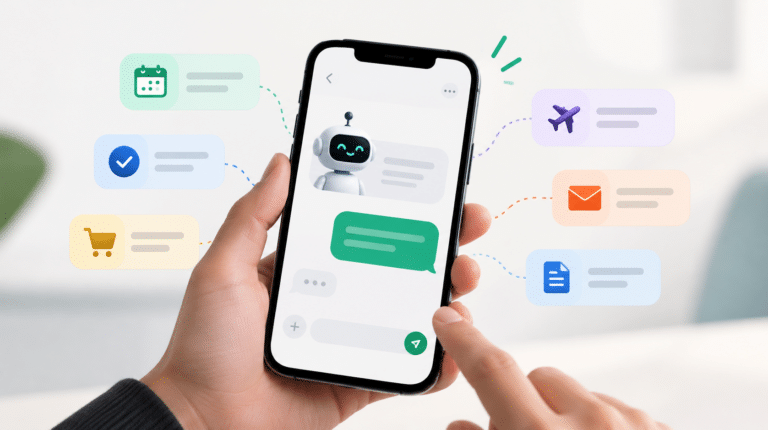
What if you could manage your day, organize your work, and complete everyday tasks simply by sending a text message?
AI agents are moving beyond traditional chatbots. Instead of opening multiple apps, users can now interact with AI assistants through familiar messaging platforms and delegate tasks using natural language.
From managing calendars to booking travel and automating daily workflows, these tools are changing how people interact with AI.
Here are five notable AI agents worth exploring.
1. Instinct – Your Personal AI Assistant
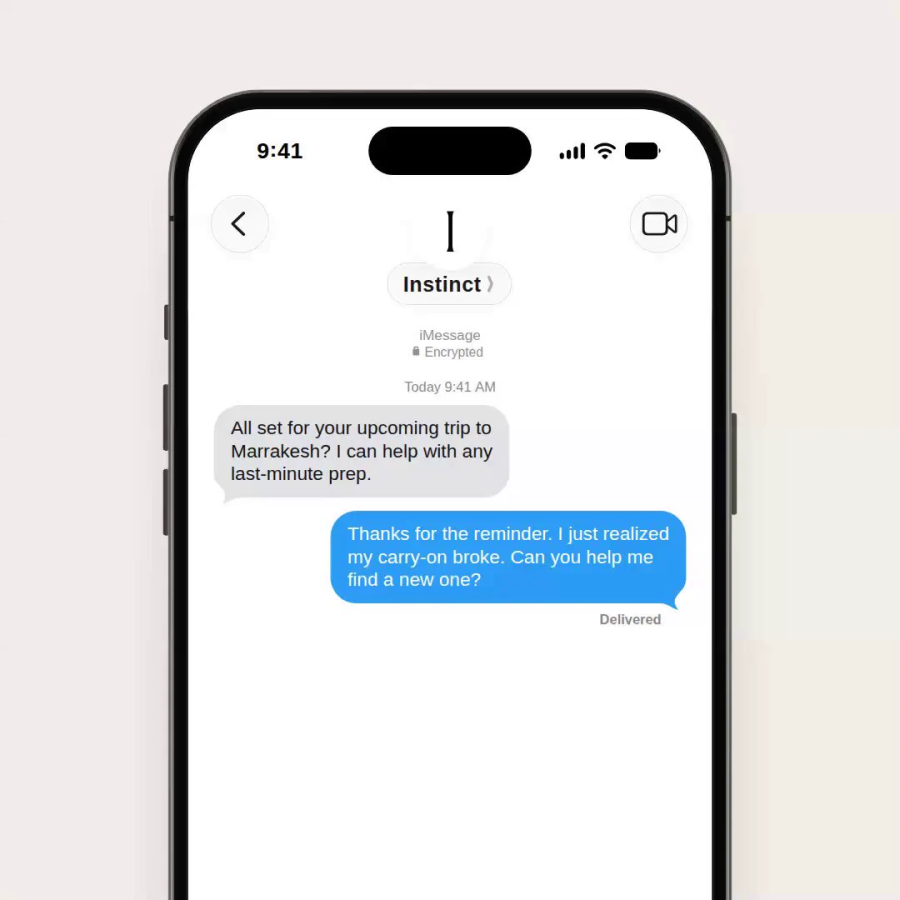
Instinct is designed to go beyond answering questions. It can take action on your behalf by connecting with services such as email, calendars, and Google Workspace.
What makes it useful:
- Plan trips and organize daily activities.
- Help manage groceries, bookings, and subscriptions.
- Follow up on requests and interact with online services.
- Use a dedicated email address for certain tasks.
Instinct is particularly interesting for people who want an AI assistant that can handle tasks rather than simply provide information.
Availability: Private beta.
2. Caddy – Turn Messages Into Action

Caddy helps users turn scattered information from messages, emails, and calendars into actionable tasks. It works through iMessage on iPhones and RCS messaging on Android devices.
What makes it useful:
- Add appointments to your calendar.
- Set reminders and track follow-ups.
- Identify important information buried in conversations.
- Research topics and organize upcoming tasks.
Caddy is especially useful for people who frequently forget appointments or struggle to keep track of information spread across different conversations.
Availability: Public beta.
3. Comma – An AI Agent for Work and Life
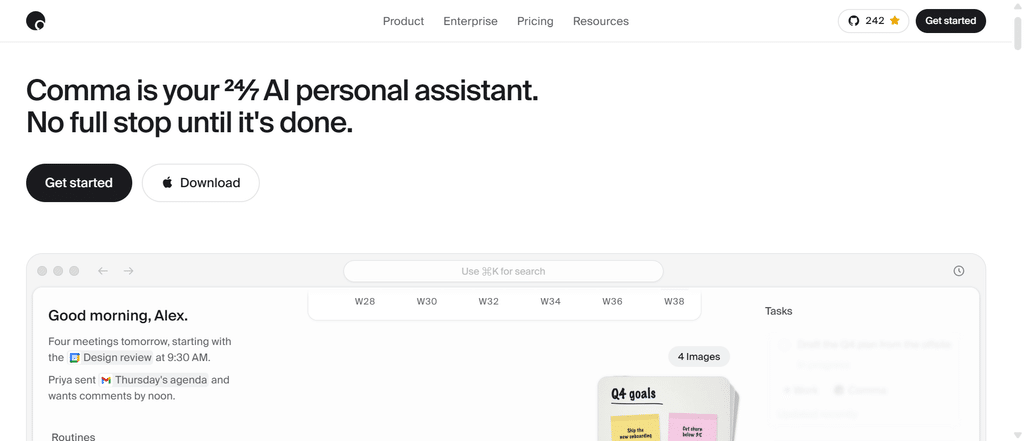
Comma is built to manage tasks across work and personal life. It can operate across your browser, computer, and files while remaining accessible through messaging platforms such as Signal, Telegram, and WeChat.
What makes it useful:
- Execute multi-step tasks and check completed work.
- Prepare daily briefings and highlight urgent matters.
- Summarize recorded calls.
- Maintain context across conversations and devices.
Rather than stopping at a recommendation, Comma aims to carry tasks through to completion and request your approval when needed.
Availability: Free to start and open source.
4. Folk – A Messaging-Based Personal Assistant

Folk brings personal assistance into messaging platforms such as iMessage, WhatsApp, and Telegram. It can remember relevant context and perform tasks that require multiple steps.
What makes it useful:
- Manage reminders and personal information.
- Research topics and track flights.
- Handle email-related tasks.
- Assist with restaurant reservations and other everyday activities.
Folk also runs on its own private cloud computer, allowing it to execute code and work through complex tasks instead of merely responding to messages.
Availability: Free plan and a Pro subscription listed at $8.33 per month for unlimited background tasks.
5. Poke – AI for Everyday Tasks

Poke is a general-purpose AI assistant accessible through text messaging. It aims to help users manage everyday activities without constantly switching between apps.
What makes it useful:
- Organize calendars and plans.
- Help with health and fitness-related routines.
- Interact with smart-home controls.
- Work with photos and other everyday tasks.
Poke also gained attention after becoming the first AI agent approved for Apple’s Messages for Business platform in June 2026, according to TechCrunch.
Availability: Check its official website for current access and supported features.
Why AI Agents in Messaging Matter
The next phase of AI is not just about generating better answers. It is about completing useful work with less manual effort.
Messaging-based AI agents offer three important advantages:
- Convenience: Interact through familiar messaging platforms.
- Context: Connect information from multiple services and conversations.
- Action: Delegate tasks such as scheduling, research, and follow-ups.
However, users should carefully review permissions, privacy policies, and confirmation requirements before allowing an AI agent to access sensitive accounts or make purchases.
The bigger opportunity: AI is evolving from a tool you ask questions to into an assistant that can help you get things done.